
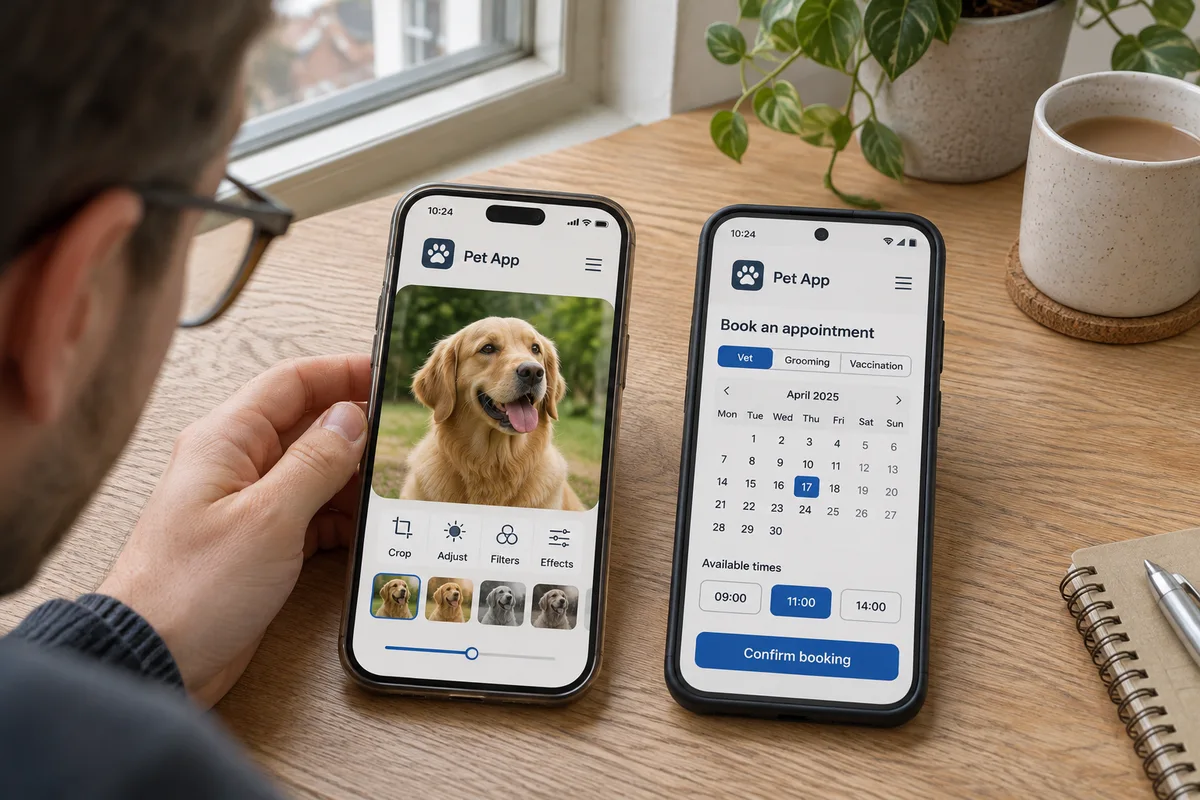
A reviewer opens a pet-photo app and sees a pet-photo editor. Could a colleague installing the same app through a different route see something else?
On 2 November, WIRED reported that seemingly ordinary apps in a network could load a different service under conditions selected by a remote server. Researchers described apps sending signals such as language and an identifier. Apple told WIRED that developers changed the web content after review. That distinction matters for organisations approving mobile apps: the software installed on a device can stay the same while the service it displays changes.
Record the conditions your review covered
Record what your test actually covered. Which version did you install, from which source, in which region and language? Use a managed test device and synthetic data to compare relevant installation paths. Record network destinations and check the supplier’s explanation against its privacy notice.
Ask the supplier what can change remotely and how it tells customers when those changes affect staff or their data. If a second test produces different behaviour, keep both observations and reopen the approval decision. A single successful test is evidence for the conditions you tested.
This review discipline matters wherever apps support sensitive or important work. See how MobSTR frames application evidence for NHS organisations, local government and UK financial-services operational resilience.
Source
WIRED: Hundreds of Mundane AI Apps Are Hiding Abusive Deepfake Features, 2 November 2026
Reassess applications as they change
Explore MobSTR’s mobile application risk management platform and see how monitoring evidence can support continuing review.