
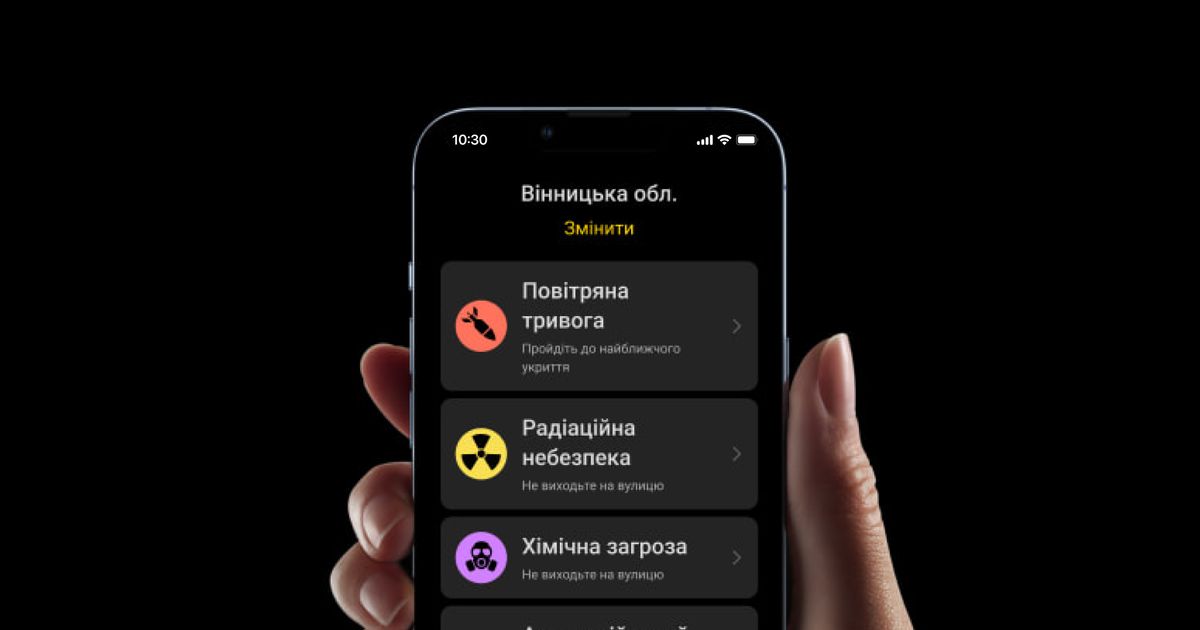
On the evening of 1 November, people in Kyiv received a false radiation warning through Ukraine’s official Air Alert app. It reached them through the same app they rely on for genuine emergency warnings.
The Ukrainian Air Force confirmed there was no radiation threat and said it suspected hostile interference. Kyiv’s city administration told residents that the street sirens and the separate Kyiv Digital app were operating normally. People could also check the city administration’s official announcements.
How would you correct a false alert at 2am?
For an NHS trust or council, the practical question is how to reach people who may already be acting on an urgent instruction. Imagine a hospital app tells staff to use a different entrance during an incident. The night team spots the mistake. Who can stop further alerts, and who has the authority to issue a correction?
Try that scenario with the people who would actually be on duty. Ask them to find the publisher’s emergency contact, identify a second channel that reaches the same staff and draft the correction. Then check whether someone arriving for a shift could tell which instruction to follow. That last step tests whether the message reached the people who needed it.