
Phone Theft Is Soaring – And It’s a Growing Mobile Security Nightmare
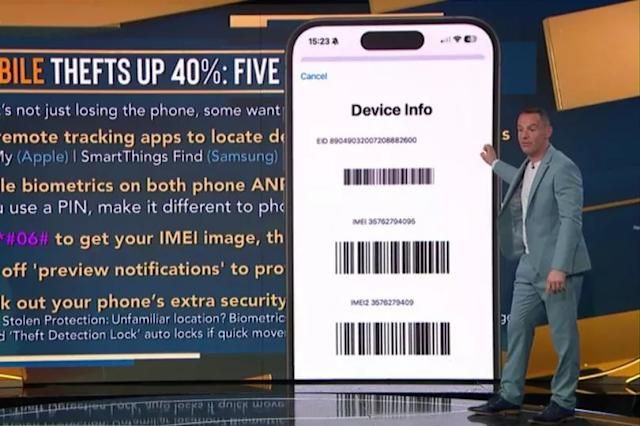
Phone theft is up nearly 40% in London alone in 2024, according to the Metropolitan Police — and it’s not just the financial loss of the device that should worry you. It’s what’s on the phone that presents the biggest threat.
Thieves are using a technique known as "shoulder surfing" to devastating effect. This method involves lurking near unsuspecting pedestrians to spy on their PIN codes before swiftly snatching the phone — often while it’s still unlocked — giving them instant, unrestricted access to everything on the device.
According to the Home Office, ‘snatch thefts’ have risen 150% over the past year, with an estimated nine phones or bags stolen every hour in the UK. The theft of Financial Times journalist Claer Barrett’s phone inspired her to write "What I wish I'd known before my phone was snatched", and serves as a stark reminder of what’s at stake.
But here’s where the real risk begins: thieves aren’t just after the hardware. Sure, selling a handset might net them a few hundred pounds — but accessing your apps, messages, cloud backups, and stored files can unlock £1,000s through identity theft, bank fraud, and even corporate data breaches.
The Hidden Dangers of Phone Theft
An unlocked phone is effectively an open vault. Once inside, thieves can:
- Access banking apps and make instant transfers.
- Retrieve sensitive personal data from emails, notes, and cloud drives.
- Bypass weak or unencrypted storage, especially on phones without proper device encryption enabled.
- Extract corporate or work-related data, which could lead to company-wide security breaches.
- Remove and discard SD cards that may contain personal or business files, often leaving users unaware that valuable data is missing.
- Leverage biometric data or saved credentials to access additional devices or accounts.
This isn’t just about losing your phone — it’s about the digital identity and confidential data it contains.
What You Can Do
No one ever expects to have their phone stolen, but it pays to be prepared. Here are some key mobile security steps:
- Enable full-device encryption to protect stored data, including SD cards where possible.
- Use biometric security with fallback PINs that are hard to shoulder surf.
- Regularly back up data securely so you don’t lose everything if the phone is wiped.
- Avoid saving passwords or sensitive data in unsecured notes or text files.
- Use mobile security software that allows for remote wipe or tracking.
- Consider disabling notifications on the lock screen, and set apps to require re-authentication even after unlocking the phone.